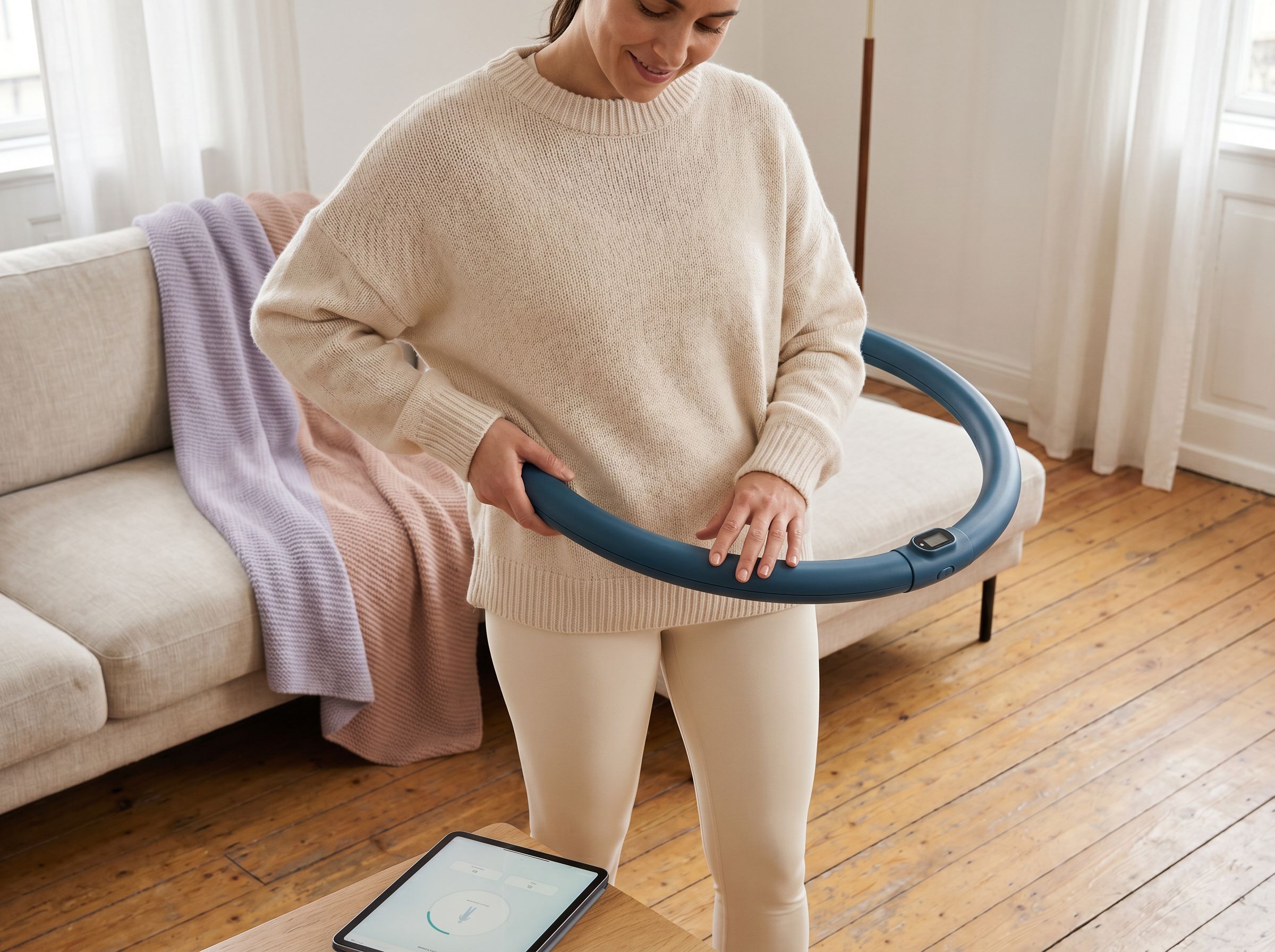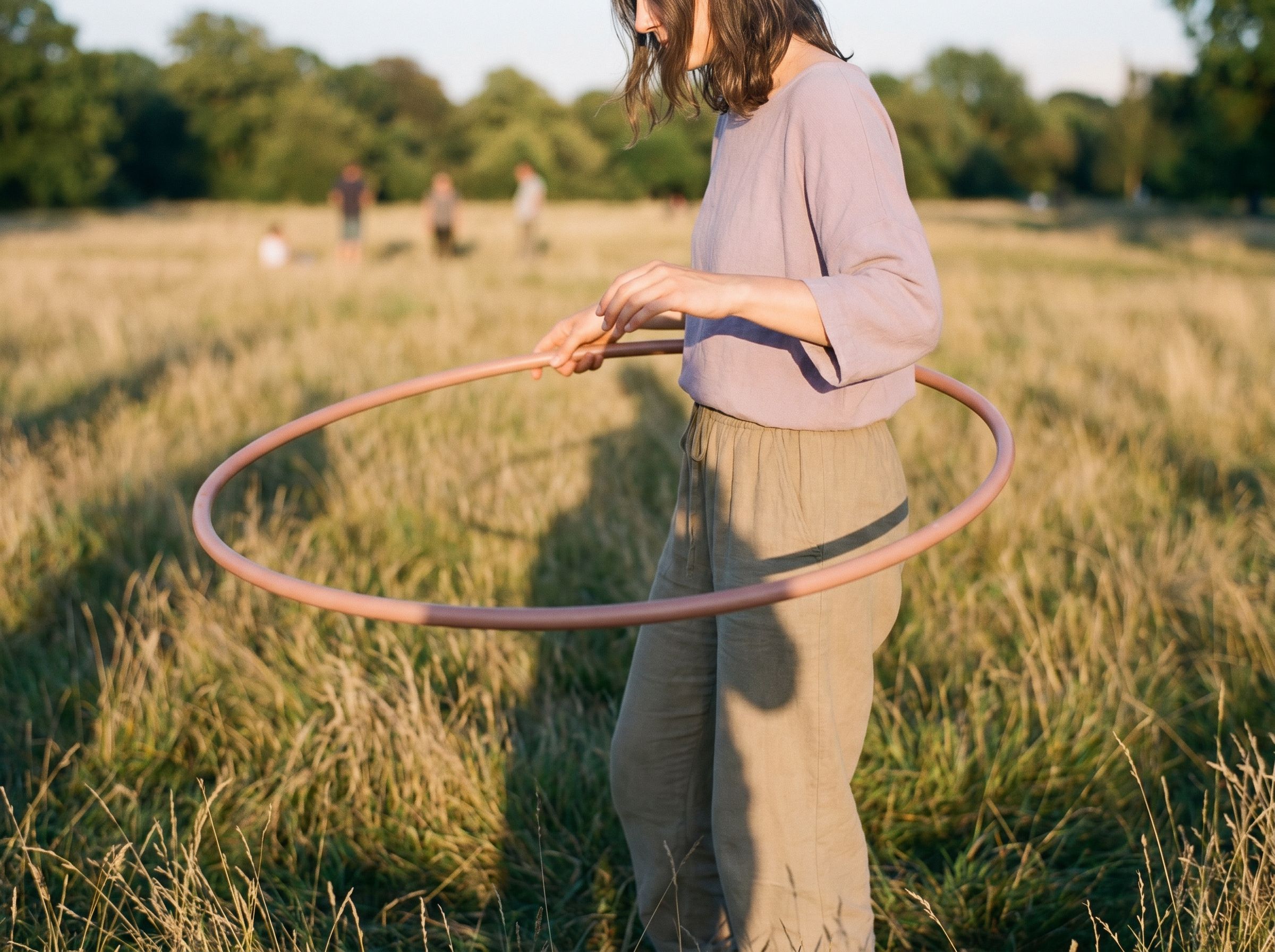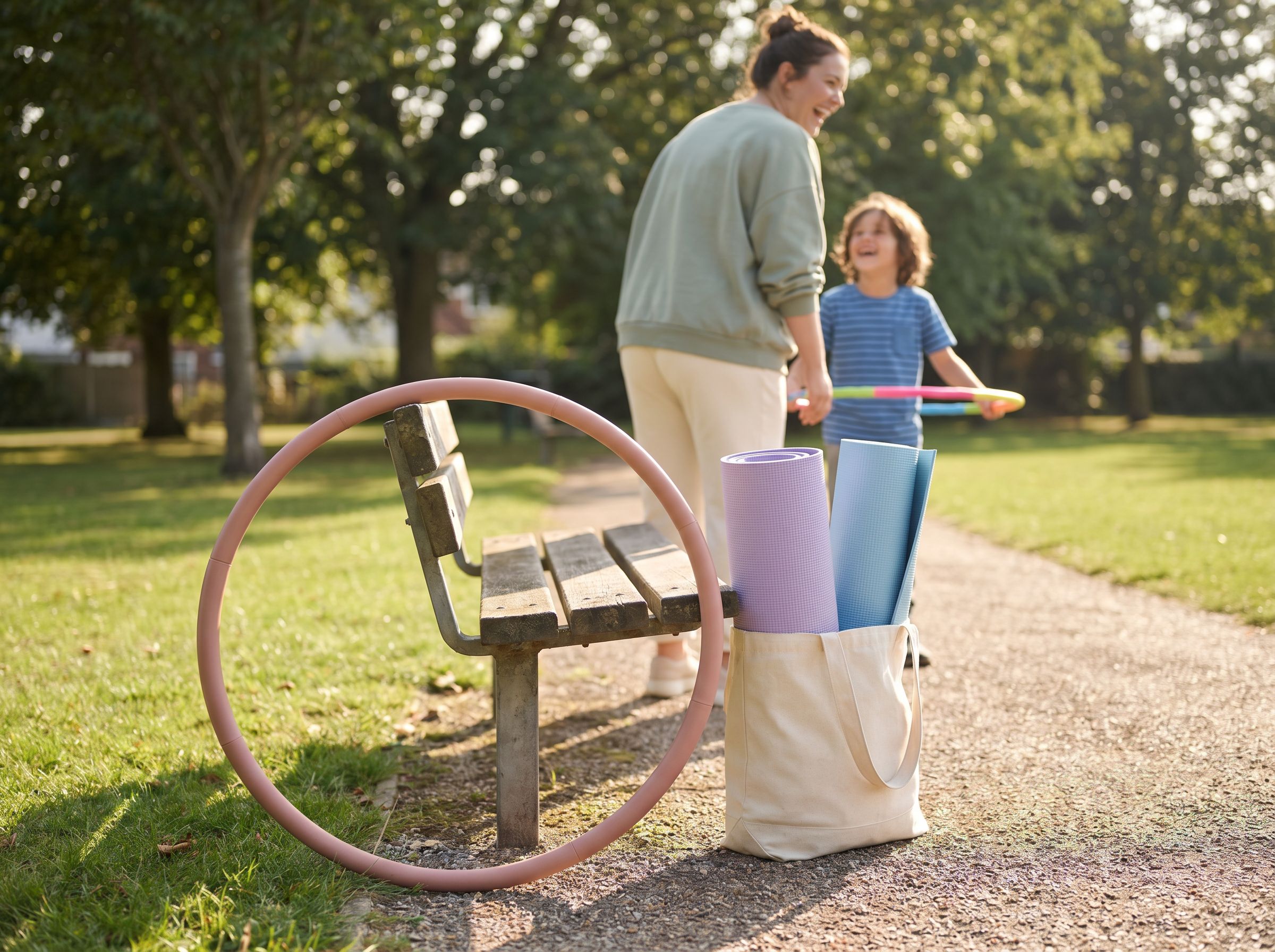
You have decided to add the fitness hoop to your training routine – a great move for toning your body and improving your coordination! However, before you dive into this dynamic activity, it is crucial to understand that technique matters enormously. A small error in your posture or movements can not only slow down your progress but also lead to injury. In this article, we explore the most common pitfalls to avoid so you can get the most out of your fitness hoop experience. Get ready to maximise your efforts and move with ease while looking after your body!
Understanding the importance of technique
Using a fitness hoop can be a fun way to get in shape, but mastering the technique is crucial to avoid injury. Many of you, whether beginners or experienced, may underestimate the importance of correct posture. Imagine for a moment that you are in full flow, carried along by the rhythm of the music. If your posture is wrong, it could backfire on you.
The impact of poor posture
Poor posture can have significant consequences for your body. In the heat of the moment, you may not realise that your shoulders are hunched or your back is rounded. This could lead to persistent lower back pain or even acute injuries. Studies show that almost 30% of people who perform repetitive movements without proper supervision develop muscle or joint pain. Bear this in mind before launching into an intensive session!
Here are some examples of common injuries caused by poor technique:
- Muscle strain: often caused by bending incorrectly or an unstable position.
- Tendinitis: inflammation caused by putting excessive pressure on the joints without following the correct movements.
- Long-term posture problems that can affect your everyday activities.
Movement mistakes
As well as posture, movement mistakes are also common. For example, some people switch from a jerky movement to a smooth, controlled one, which disrupts the natural flow of the exercise. Fluidity and control are essential. If you rush, you risk whirling the hoop around without any connection to your body, which can waste energy and lead to poor execution.
Wondering how to fix this? Start by focusing on slow, steady movements. Practise in front of a mirror to observe your posture and adjust your movements accordingly. Remember to build in breaks to avoid fatigue and watch tutorials to strengthen your technical foundations. To go further and discover how these fun tools can improve your endurance, take a look at this article: Fitness hoops and cardio: how to improve your endurance while having fun.
Finally, remember that regular practice, with an emphasis on technique, will help you get the most out of every session. If you are looking for more information on the mistakes to avoid when using fitness hoops, you will find valuable advice in our article The 10 incredible health benefits of fitness hoops.
By taking a thoughtful approach and making sure your technique is spot on, you will maximise not only your results but also your enjoyment during your sessions.
Practical tips for better use
Matching the hoop to your size
Choosing the right hoop is crucial to getting the most out of your workout. A hoop that is too big or too small can not only make the exercise difficult but also increase the risk of injury. For the best fit, take the time to measure your height at waist or hip level. A hoop should generally reach somewhere between your waist and your navel. If you are unsure, do not hesitate to ask a professional in a sports shop for advice.
In addition, some hoop models are adjustable, allowing you to change their size to suit your needs. This can be an excellent option if you share your equipment with other family members or friends. A well-fitted hoop will make your movements easier and encourage you to practise regularly.
Establishing a warm-up routine
Before starting any physical activity, warming up is an essential step to prevent injury and improve your performance. A good warm-up prepares your muscles and joints, increasing your range of motion and reducing the risk of pain. Spend at least 5 to 10 minutes on warm-up exercises such as hip rotations, side stretches and knee bends.
You can also opt for dynamic exercises such as jumping on the spot or lunges. These movements will raise your heart rate and prepare your body for exertion. You will find specific exercises suited to hoop training in online resources. Remember, a good warm-up is the key to effective exercise!
Avoiding overtraining
One of the most common pitfalls is the tendency to push your body beyond its limits. Always listen to the signals your body is sending you. Fatigue is an important indicator to watch out for. If you feel unusual pain or excessive tiredness, consider reducing the intensity or duration of your sessions. Balance is essential to make progress without risking injury.
To keep your practice balanced, create a weekly schedule that includes rest days. For example, alternate between hoop sessions and other forms of exercise such as walking or swimming. This not only lets you vary your activities but also gives your body the time it needs to recover.
To find out how to build the hoop effectively into your routine and understand its positive effects on weight loss, read this article: Can you really lose weight with fitness hoops? Here is the truth. You are also welcome to explore more practical tips in this article on the 10 incredible health benefits of fitness hoops.
Step-by-step guide to getting started
Starting out with a fitness hoop may seem simple, but a few common mistakes can hold back your progress. Here is a guide to make sure you are on the right track.
Choosing the right setting
The choice of where you exercise is crucial. Look for a space large enough to move around freely without worrying about bumping into furniture. A smooth floor, such as parquet or a fitness mat, is ideal to avoid slipping. Avoid uneven or slippery surfaces, such as highly polished tiles.
A well-lit room can also boost your motivation. Do not forget to consider distractions; a quiet space will help you concentrate better on your movements. If possible, practise outdoors when the weather allows, as a natural setting can enhance your experience.
Basic techniques to master
To begin with, master a few simple exercises. For example, place the hoop around your waist and spin it in a fluid motion. You can also practise moving the hoop up and down, which will help you improve your flexibility and control.
Once you feel comfortable, add varied movements such as squats or arm movements while keeping the hoop spinning. These variations not only make your workout more interesting but also help strengthen different muscle groups. Try following an exercise video to get an idea of the movements to perform.
Tracking your progress
Tracking your progress is essential to stay motivated and adjust your training sessions. A simple notebook will do the job: write down your sessions, their duration and even the movements you practised. This will let you see your improvement over time.
You can also use fitness apps that offer features for tracking your performance. These tools can be very motivating, as they let you set goals and achieve them. Some of them, such as MyFitnessPal, also offer communities where you can share your successes and swap tips with other users.
By applying these tips, you will avoid common mistakes and get the most out of your fitness hoop practice. Remember that the key is to stay positive and take your time. Every little bit of progress counts!
Case studies and real-life examples
When you start out with fitness hoops, it is normal to make a few mistakes. The good news is that many people have shared their experiences, and their stories can genuinely inspire you. For example, imagine Paul and Claire, a couple who decided to embark on the hoop adventure. They ran into difficulties, such as choosing the right hoop and using poor technique. However, with perseverance and a few adjustments, they managed to transform their experience. Claire realised that a lightweight hoop was better suited to her level, while Paul improved his technique after watching online tutorials. "Don't let a difficult start discourage you," they say, "every mistake is an opportunity to learn!"
As for the advice they shared, one of the most valuable tips is to always listen to your body. If something does not seem to be working, do not hesitate to change your method or equipment. It can make a big difference to your experience.
Comparing methods
Let us now look at the different approaches used by hoop enthusiasts. Some people prefer to take group classes, which can be motivating and fun. Others, on the other hand, choose to practise alone at their own pace. Here is a table summarising the strengths and weaknesses of each method:
Method Strengths Weaknesses Group classes Motivation, camaraderie, advice from instructors Fixed timetables, sometimes difficult for beginners Solo practice Flexibility, your own pace, ideal for concentrating Lack of motivation, no supervisionUltimately, everyone needs to find the method that suits them best. Which approach have you chosen?
Product reviews
Your choice of hoop can play a crucial role in your experience. Among popular hoops, the foam Hula Hoop has received many positive reviews for its lightness and comfort. On the other hand, some users have found that classic plastic hoops can be too hard for beginners. Here is an overview of user feedback:
Hoop Rating Comment Foam Hula Hoop ★★★★☆ Comfortable and easy to use, ideal for beginners. Classic plastic hoop ★★☆☆☆ Too rigid, not suitable for those just starting out.Buying the right product can transform your hooping experience. Take a look at this article exploring the question of weight loss with fitness hoops, but also remember your own comfort and personal preferences! If you would like to learn more about the mistakes to avoid, see The 10 incredible health benefits of fitness hoops for more information.
FAQs on using fitness hoops
When you are starting out with a fitness hoop, it is essential to know the best practices to make the most of your experience. Here are some frequently asked questions you may have.
What is the best way to get started with a hoop?
To get off to a good start, choose a clear, pleasant space. Begin by learning the basic movements and do not jump straight into complicated routines. Take the time to get familiar with the hoop before increasing the intensity.
How often should I train?
It is advisable to train around three to four times a week. This allows your body to adapt without overtiring it. Be sure to listen to your body and adjust the intensity according to your fitness level.
What types of hoops are recommended for beginners?
Heavier hoops are generally recommended for beginners, as they are easier to control. A hoop weighing between 1 and 1.5 kg is often ideal. Do not hesitate to try different hoops to find the one that suits you best.
How can I avoid pain when using a hoop?
To avoid pain, make sure you maintain good posture during your workouts. Always warm up before you start and finish with stretches. If you experience persistent pain, take a break and consult a professional.
Are there any specific exercises to avoid?
Some movements can be too difficult at first, such as high-speed rotations or complex moves. Avoid forcing your body to perform these movements until you have a good command of the basics.
How much time should I spend practising with the hoop each day?
For beginners, a 15 to 20-minute workout per session can be enough. Gradually increase the duration to 30 minutes or more, depending on your comfort and availability.
Are there hoop training groups or communities?
Yes, many online and local communities are dedicated to hoop training. Joining a group can help you stay motivated and share tips and tricks. You will find dedicated forums and social networks where you can connect with other enthusiasts.
To explore more tips or connect with communities, visit this site dedicated to hoop training. You will find a wealth of resources to enrich your practice, from exercise videos to support groups.