Ready to give your cardio routine a boost? Imagine a workout that not only sculpts your figure but also lifts your mind. Fitness hoops are far more than a simple accessory: they turn your cardio sessions into something fun and effective. By making this piece of kit part of your daily life, you will discover a wealth of benefits, from improved stamina to better mental health. Get ready to dive into the world of hoops and enjoy a complete experience that will revitalise both body and mind.
Benefits of fitness hoops
Fitness hoops are far more than a childhood toy. They have established themselves as a complete cardio tool, offering proven benefits both physically and mentally.
Improved physical fitness
First of all, adding hoops to your daily routine can significantly improve your fitness. Using this accessory builds your stamina, as the continuous movement works your heart while boosting blood circulation. According to studies, a 30-minute hoop session can burn up to 300 calories, making it an effective option for weight loss.
Targeted muscle strengthening is another major advantage. By performing rotations and varied movements, you engage different muscle groups, notably the abdominals, hips and lower back. This not only helps tone your body but also increases your flexibility, making everyday movements easier.
Benefits for mental health
The benefits are not limited to the physical side. Fitness hoops also play a crucial role in mental health. By focusing on each movement, you are able to lower your stress levels. This enjoyable moment triggers the release of endorphins, often called the happiness hormones.
By stimulating blood flow, hoop exercise also increases the supply of oxygen to the brain, improving your mood and general well-being. You will quickly notice that, even after a tough day, a few hoop moves can transform your state of mind and recharge your energy.
Impact on coordination and agility
Working with hoops also improves coordination and agility. Every movement requires a degree of control, which develops your motor skills. This is particularly beneficial for anyone looking to improve their performance in other sports or activities.
What is more, regular hoop use can have a positive effect on your posture. By keeping your body aligned during the exercises, you tend to become more aware of your position in your daily activities. This helps reduce back pain and improves your overall well-being.
Finally, this practice heightens your body awareness. By connecting with your movements and your breathing, you build a better relationship with your body, which can lead to an overall improvement in your quality of life.
To help you get started, why not visit this site dedicated to hoop fitness and discover tips and routines suited to every level? Remember, making the hoop part of your daily life can transform your approach to cardio and bring fresh energy to your well-being.
Practical tips for adding hoops to your routine
To get the most out of your hoop cardio session, choosing the right hoop is essential. There are several types of hoop on the market, each with its own characteristics that can shape your training experience. For example, a heavier hoop may be better suited if you want to strengthen your muscles, while a light hoop can be ideal for beginners or those who prefer faster movements.
You should also consider the weight and diameter of the hoop. A hoop that is too light may not offer enough resistance, while one that is too heavy can quickly become tiring. In general, a diameter of 1 to 1.2 metres is recommended for most users. Don't forget to assess your fitness level before choosing. If you are new to exercise, start with a light hoop and adjust as you progress.
Creating a motivating atmosphere
A motivating atmosphere is crucial for staying committed to your cardio sessions. Music plays a fundamental role: put together a workout playlist of upbeat tracks that lift your mood and make you want to move. Remember to change your tracks regularly to avoid monotony.
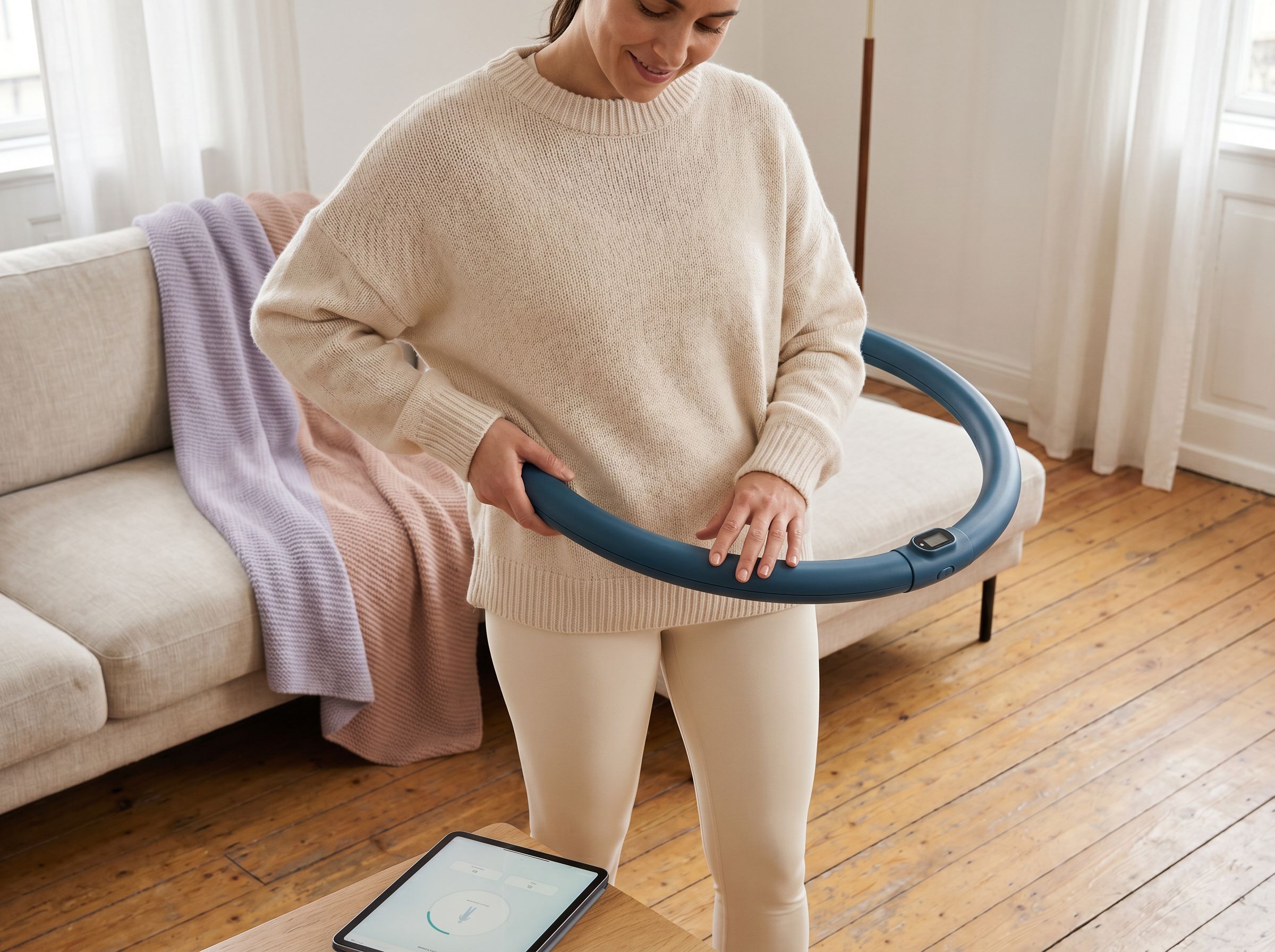
Having the ideal space for your exercises can also make a huge difference. Find a spot dedicated to your practice, whether in your living room or outdoors. Make sure the space is clear and welcoming. And if you have a training partner, sessions can be more fun and you can push each other to go further.
Listening to your body
Finally, it is crucial to learn to listen to your body while exercising. Watch out for signs of fatigue, such as unusual pain or a loss of focus. It is important to strike a balance between effort and recovery; remember, the aim is not to overdo it but to progress at your own pace.
Adapt your exercises to your level too. For example, start with basic movements and gradually increase the difficulty as you gain confidence and strength. This approach will maximise your results while minimising the risk of injury.
If you would like to deepen your knowledge of fitness hoops, don't hesitate to consult experts in the field. For more information, you can visit this specialist fitness site.
Step-by-step guide to your routine
Warming up before exercise
Before diving into your hoop routine, it is vital to prepare your muscles with a good warm-up. This not only increases your blood circulation but also helps prevent injury. Include dynamic stretches such as leg swings or torso rotations to loosen up your muscles.
Wondering why the warm-up matters so much? Imagine starting your day without coffee. Things feel a bit sluggish, don't they? It's the same for your muscles. A good warm-up wakes up your joints and prepares your body for the effort ahead.
Here are a few specific exercises you can include:
- Arm circles: 10 repetitions in each direction
- Knee bends: 10 repetitions
- Jumping on the spot: 30 seconds
Performing the hoop movements
Once you are warmed up, it's time to pick up your hoop. The basic technique is to spin it around your waist. Stand with your feet shoulder-width apart, holding the hoop at waist height. Start it spinning by gently pushing your hips forwards and backwards. It may look like a simple movement, but mastering it takes a little practice!
To vary your routine, why not try a few variations? For example, you can spin the hoop around your arms or even your legs! Changing your movements regularly can make the exercise more engaging and help you work different muscle groups.
As for duration and intensity, aim for 15 to 30 minutes per session. If you are just starting out, begin with 10 minutes of hooping and build up gradually. Listen to your body and adjust the intensity to your fitness level.
Cool-down and recovery
After an energetic session, don't forget the importance of cooling down. This crucial phase helps bring your heart rate back to normal and supports muscle recovery. Static stretches such as touching your toes or stretching your arms above your head can be beneficial.
To optimise your recovery, include relaxation techniques such as deep breathing or meditation. These can also help reduce stress and improve your general well-being.
If you are looking for more information on how to keep your fitness routines balanced, you can read this article on the importance of a balanced programme.
Case studies and real-life examples
To understand the impact of fitness hoops on your cardio routine, let us share some inspiring stories. Take Claire, 34, who wanted to tone her body while having fun. By adding hoops to her training programme, she not only lost 8 kg in three months but also boosted her self-confidence. Claire says: "I didn't know I could have so much fun while working out!"
Many users, such as Marc, 40, have also shared their journeys. After struggling with traditional exercises, he noticed a significant improvement in his stamina and fitness. "Hoops helped me see training from a new angle. Every session is a challenge I'm delighted to take on!"
Comparison with other cardio methods
A comparison carried out by researchers examined the effectiveness of hoops against other types of cardio exercise. According to a study of 100 participants, those who used hoops achieved better weight-loss results than those doing exercises such as running or cycling. On average, participants lost 6% of their body weight in three months thanks to regular hoop sessions.
A positive impact on general well-being was also recorded. Users reported higher levels of personal satisfaction and more motivation to keep going. Indeed, an activity that combines fun and exercise often leads to longer-lasting results.
Integrating hoops into training programmes
For those who want to incorporate hoops into their training, here are a few sample programmes. A simple programme might include 15 minutes of hooping followed by 20 minutes of other cardio exercise, such as a gentle jog or skipping. This builds both stamina and muscle tone.
Fitness instructors share their experiences too. Sophie, a coach at a dance studio, says her hoop classes are always full. "People love working on their cardio while having fun. The results speak for themselves, and it often leads to friendships formed in our classes!"
The results seen in her group classes amount to a genuine collective transformation. Together, participants encourage each other's progress, which boosts motivation. You can also find out more about the benefits of using hoops in this article: 10 incredible health benefits of fitness hoops.
For anyone still wondering whether this tool can really help with weight loss, a more in-depth analysis is available here: Can you really lose weight with fitness hoops? Here's the truth.
FAQ on adding fitness hoops to your daily cardio routine
You are probably wondering how much time you should spend on your hoop each day. Generally, 10 to 30 minutes a day is recommended to enjoy the full cardio and muscular benefits without overloading your body.
Another point to consider is whether you should do your cardio before or after hooping. In reality, it depends on your goals. If you mainly want to work on cardiovascular endurance, doing it beforehand can help you feel the intensity. If, on the other hand, you prefer to target your abdominal muscles, start with the hoop and finish with a light cardio session.
So can hoops really help you lose weight? The answer is yes! According to a study by the American Council on Exercise, a hoop session can burn between 400 and 600 calories per hour, making it an excellent option for anyone wanting to shed excess pounds while having fun.
To get the most out of your hoop, some basic exercises are essential. First master the fundamental moves, such as hula hooping around the waist and marching on the spot while hooping, then even more advanced moves such as rotations around your neck. Depending on your level, you can gradually vary your exercises.
You are no doubt wondering how to avoid injury when using a hoop. The key is to warm up before your session and progress slowly to get used to the movements. Also make sure you choose a hoop suited to your size and experience level to reduce the risk of injury.
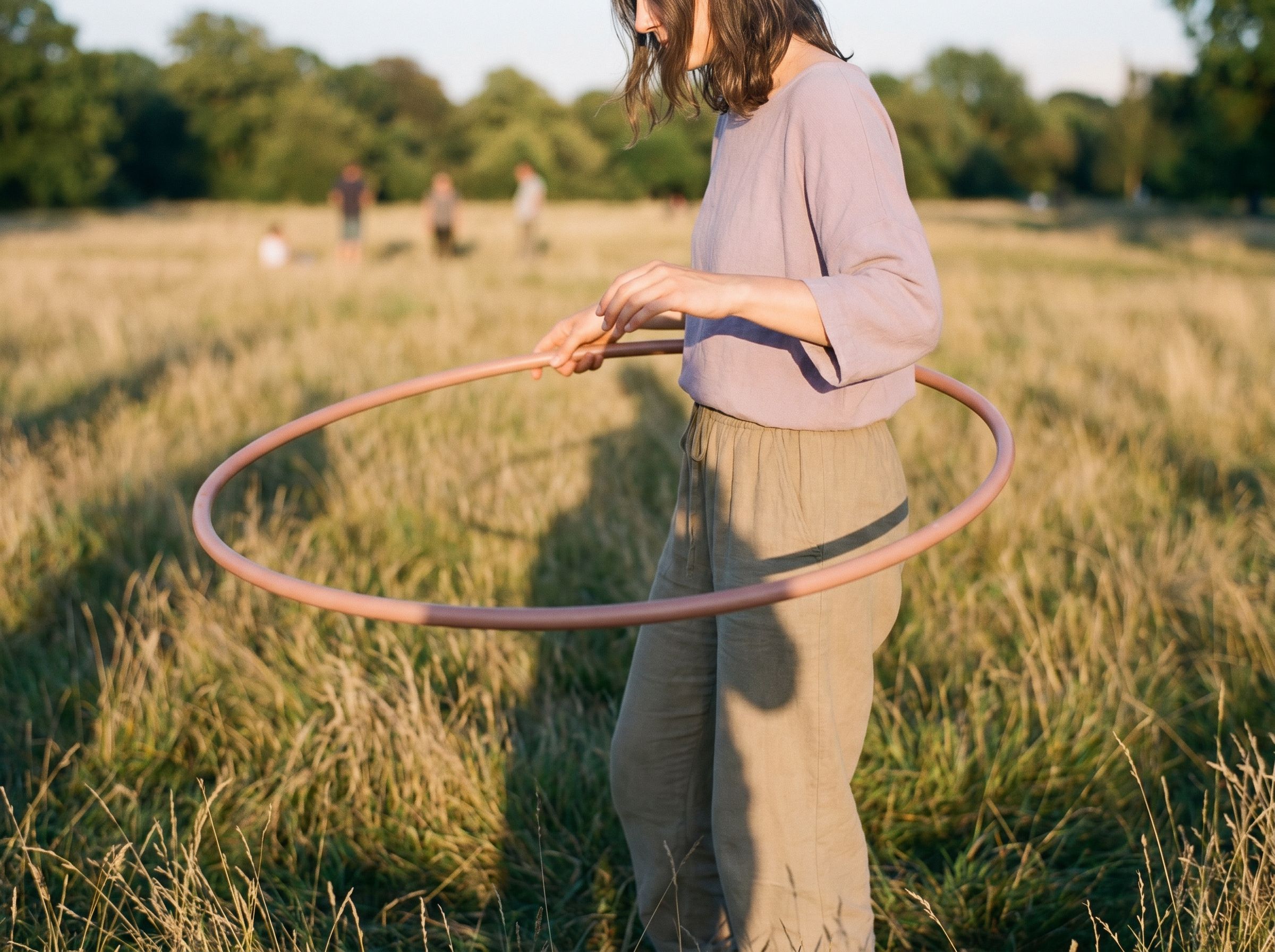
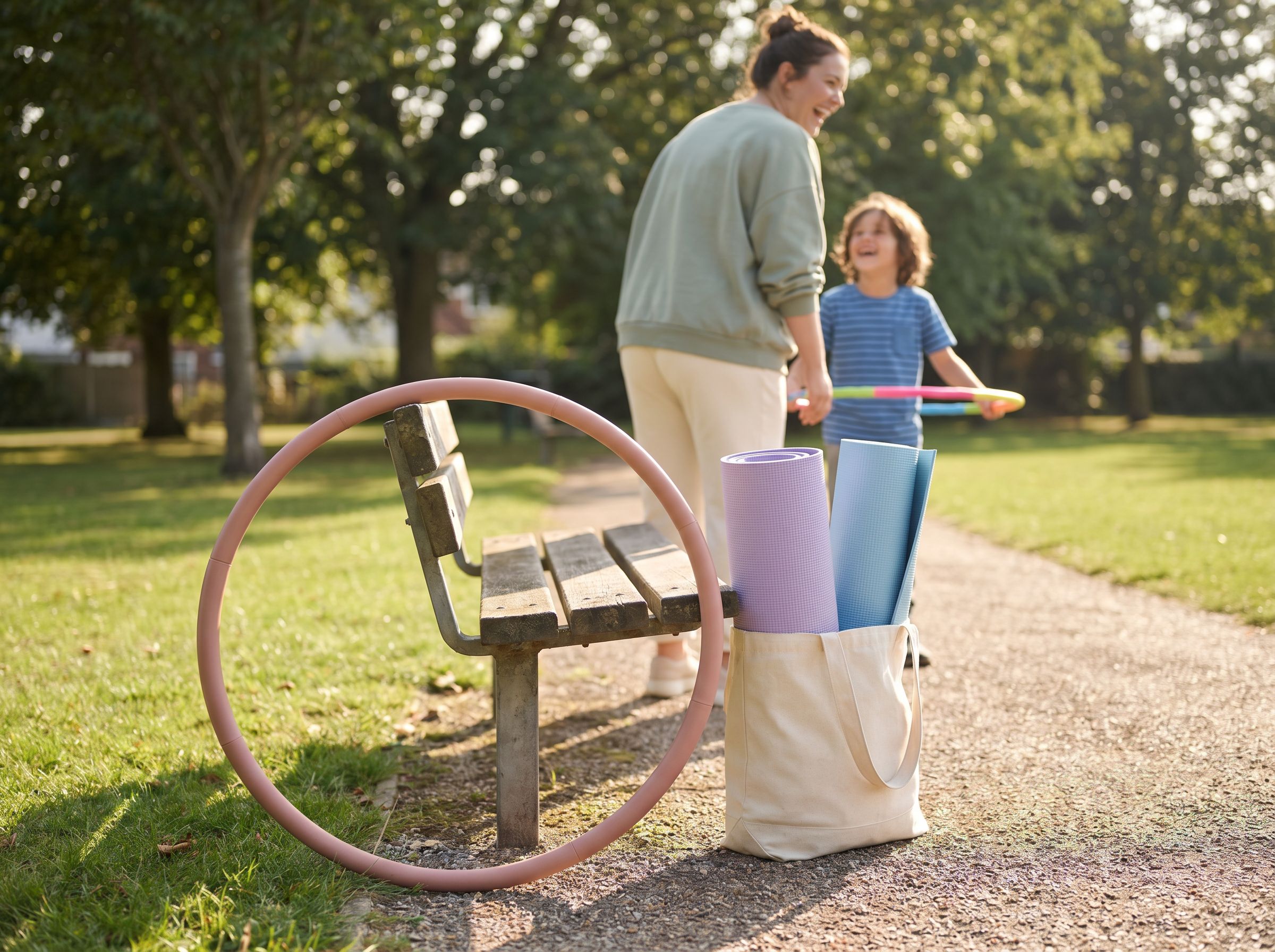
For those who prefer the great outdoors, it is perfectly possible to take your hoop training outside. Whether in a park, on the beach or in your garden, hooping in the open air can make your workout more enjoyable. You will enjoy a refreshing view while doing your cardio routine.
Finally, is it better to exercise alone or in a group? That depends on your preferences. Training in a group can give you extra motivation and make the experience more lively. Many sports centres offer group hoop classes, which are also a chance to meet people who share your interests.
Still have questions? Take a look at this site on fitness and weight loss for more tips and advice.